

Fascial Therapy

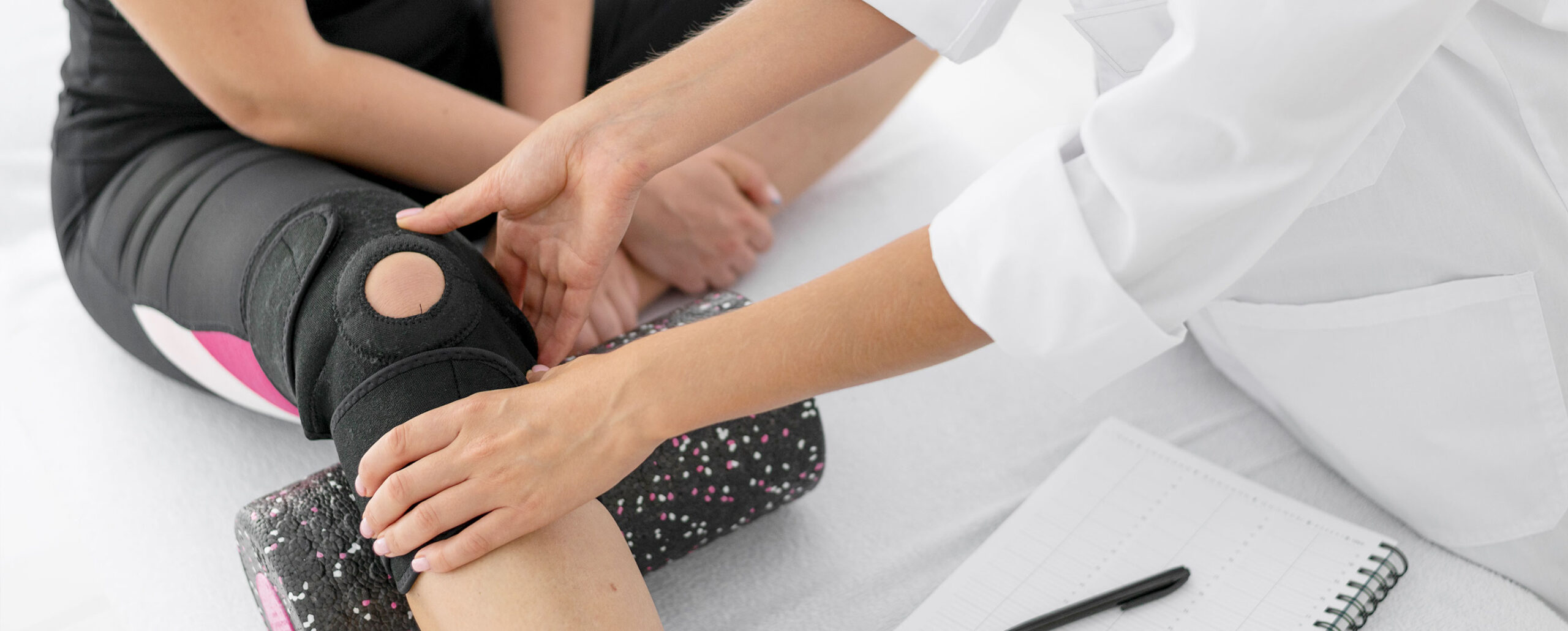
For the treatment of fractures, post-surgical recovery, and scars, fascial therapy is the most recommended osteopathic treatment.

Fascial Therapy

What is the purpose of the treatment?

Fascial therapy assists the body during the post-operative and post-traumatic phases, accelerating the healing processes of the fascia and preventing adhesions and fluid stagnation.

It is important to treat scars after surgery, not only from an aesthetic perspective but above all for functional and metabolic reasons.

In fact, fascial therapy works directly on the dense connective tissue located immediately beneath the skin, which binds to the bones and, deeper down, to the viscera.

Post-traumatic and post-surgical recovery

When trauma occurs, the body is subjected to unexpected impacts that are dysfunctional to its physiology. This happens in cases of fractures, sprains, or significant bruising.

Surgery can also be considered a partial trauma, as in more invasive cases, the fascia is severed, altering its natural gliding motion.

Treatment becomes essential in the post-operative and post-traumatic phases to resolve tensions caused by scars or adhesions. In these cases, it is vital to intervene as quickly as possible.

In the treatment of fractures, swelling and inflammatory edema can be drained, but above all, the joint can be realigned to restore normality much sooner.

What does fascial therapy act upon?

The fascia forms a medium of continuity between the skin, muscles, and joints.

Its function is to optimize the gliding of muscles against each other and to support the body in every posture it assumes.

The fascia is therefore fundamental to the body’s vitality, as it three-dimensionally envelops organs and bones and is responsible for the mechanical conduction of forces.

Pain

The fascia is also decisively involved in pain, as it rapidly transmits painful sensations and inflammation from one end of its extension to the other, like a mesh enveloping the body.

Effects on the body

Fascial treatment improves body mobility and muscle strength, and increases the elasticity of the connective tissue.

The therapy promotes the healing of the muscle and fascia, releasing stiffness, relieving pressure, and improving blood and lymphatic circulation.

Clinical conditions that can be addressed

Schedule an appointment, and together we will determine if Fascial Therapy is right for you

From the blog

Admin 03 Jan 2025
What is craniosacral therapy?

Craniosacral therapy is a branch of osteopathic medicine based on the microanatomical study of the

Read More
Chiara Cicolella 30 Apr 2024
Vagus nerve: reducing stress with osteopathy

As we know, stress negatively affects our health, and 'technically' translates into an imbalance between

Read More

Chiara Cicolella 05 Mar 2024
Bruxism: More Than Just a Mouthguard

WHAT IS BRUXISM? Bruxism is a very common condition in which the individual clenches their

Read More