
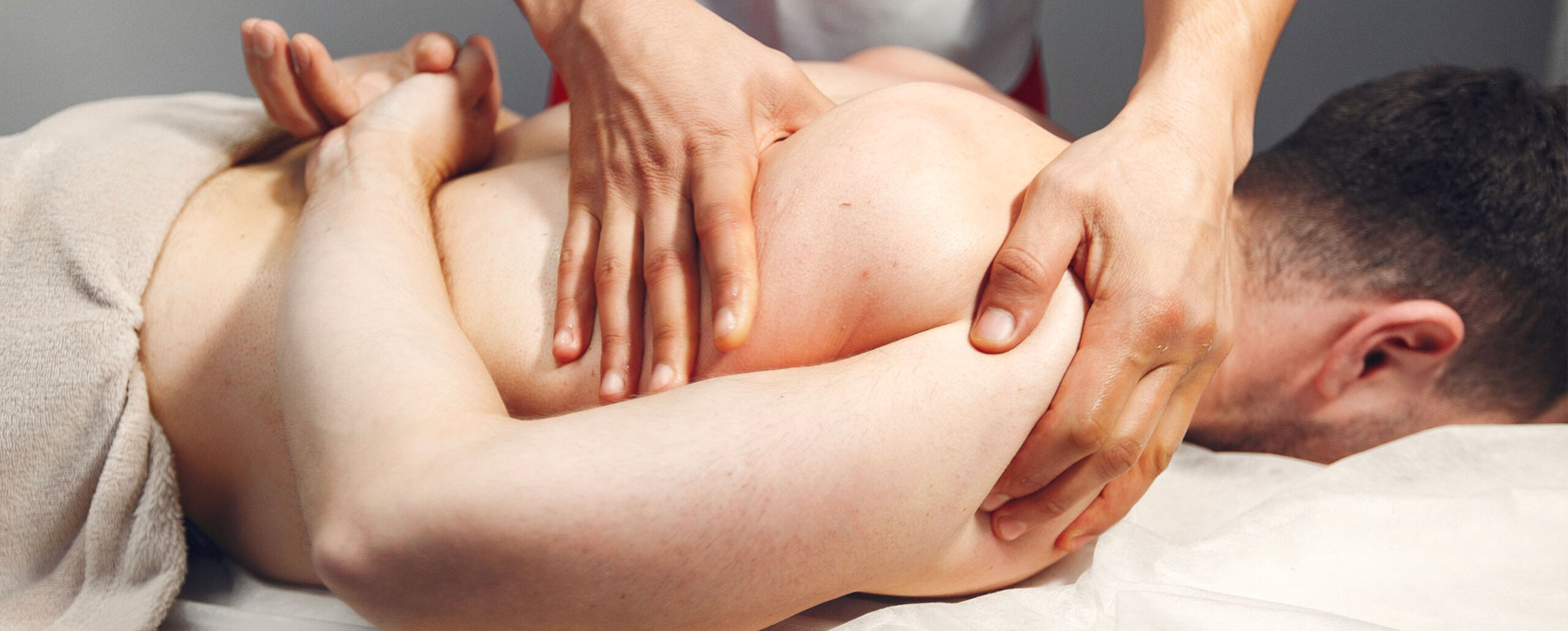

For the treatment of back pain, the most appropriate osteopathic therapy is structural therapy.
Structural Therapy
Structural Osteopathy considers the body from a biomechanical perspective, analyzes joint mobility, and addresses asymmetries in every body region.
What is the therapy for?
Structural therapy helps correct poor posture, pain from sedentary lifestyle, and joint restrictions that generate stiffness and inflammation.
In cases of hyperlordosis or hyperkyphosis, this approach mobilizes the vertebrae to restore corrective alignment to the body and improve posture.
What does structural therapy work on?
After performing a thorough diagnosis, the patient is approached with targeted maneuvers and very rapid releases called thrust, in a completely safe and clinically supported manner.
The objective
According to the principles of Structural Osteopathy, all joints of the human body are subject to different degrees of movement, which manifest on spatial planes. Following joint stress or trauma, the joint may experience limitations in multiple degrees of movement.
The osteopath, through Structural Osteopathy techniques, seeks the proper joint alignment and restores correct movement.
Joint release allows for freedom from tension and fluid, natural body movement.
Conditions to treat
- Scoliosis
- Winged scapulae
- Cervical and lumbar straightening
- Flat feet
- Leg length discrepancy
- Back pain
- Hyperkyphosis
- Infant clubfoot
- Poor posture
Book an appointment and we will determine together whether Structural Therapy is right for you
From the blog
What is craniosacral therapy?
Craniosacral therapy is a branch of osteopathic medicine based on the microanatomical study of the
Read MoreVagus nerve: reducing stress with osteopathy
As we know, stress negatively affects our health, and 'technically' translates into an imbalance between
Read MoreBruxism: More Than Just a Mouthguard

WHAT IS BRUXISM? Bruxism is a very common condition in which the individual clenches their
Read More